



I approached Al QURAN - القرآن الكريم as a daily reading and listening tool rather than simply another reference app. It belongs to Books & Reference, is free to install, and comes from 9D Muslim Apps - Quran, Qibla Direction & Prayers. Its central appeal is straightforward: it puts Quran reading and MP3 listening in one place, with offline use making it practical when a connection is unreliable. After spending time with it, I think its strongest quality is convenience, especially for people who want a focused Quran app rather than a broad religious library.
The app has reached over 50 million installs and holds a 4.7 average from around 1.1 million ratings, so it is clearly familiar to a very large audience. Those figures do not automatically make it right for everyone, but they do suggest that its basic reading-and-listening approach works for many people. The content rating is Everyone, and the current version is 4.4.39 for devices running Android 7.0 or later. I would describe it as a practical companion for regular recitation, revision, and quiet moments of reading, with some limitations that are worth understanding before making it your only Quran resource.
How the reading experience works for different needs
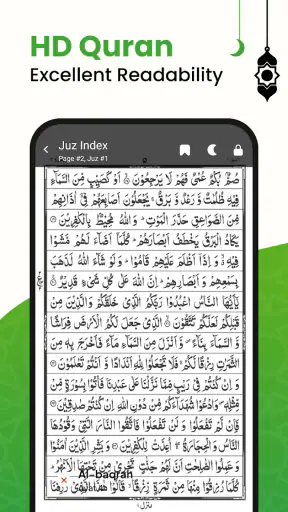
Readability and navigation
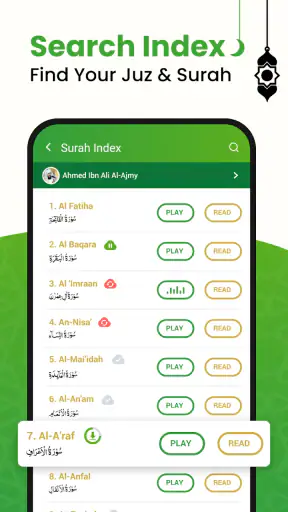
The first thing I noticed is that the app is built around reducing the distance between opening it and reaching a Surah. That matters in real use. If I have only a few minutes before leaving home, I do not want to search through unrelated material or configure a complicated study workspace. A Quran-centered layout makes the main task obvious: choose a passage, read it, or listen to it.
For readers who already know the Surah they want, this direct structure is useful. It also suits a repeated routine, such as reading after a particular prayer or revisiting a familiar section during a commute. The offline orientation is especially helpful here because a saved reading session does not depend on a strong signal at the exact moment I need it. I found that this changes the app from something I consult occasionally into something I can keep available for predictable daily use.
Readability is not only about whether text appears on the screen. It is also about mental effort. A focused Quran interface can be easier to understand than a general-purpose religious app filled with articles, calendars, reminders, and unrelated tools. That simplicity benefits older users and anyone who becomes overwhelmed by crowded menus. It is also helpful for a new user who wants to begin reading without first learning a large system of categories.
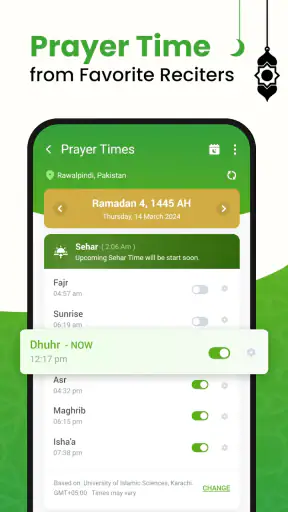
At the same time, a focused interface may feel limited to someone looking for advanced study. I would not choose this app solely because I wanted a full research environment with extensive cross-references, scholarly commentary, or a highly customized learning plan. Its value is strongest when the goal is the Quran text and audio itself. Readers who need detailed comparative study may prefer a specialist tool alongside it rather than expecting one app to cover every academic need.
One useful habit is to decide your purpose before opening it. For recitation, go straight to the passage and avoid turning the session into browsing. For listening, prepare the desired Surah while connected, then rely on offline access later. This small workflow makes the app feel calmer and reduces the temptation to treat it like a general content feed. The best experience comes from using it as a focused routine tool, not as an all-purpose Islamic reference shelf.
Text, sound, and sensory comfort
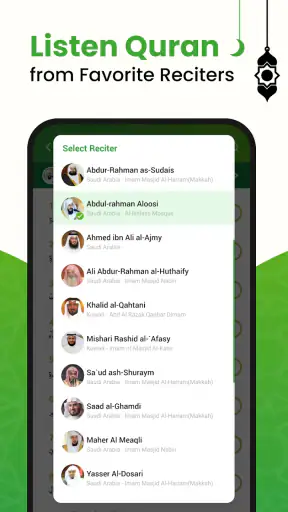
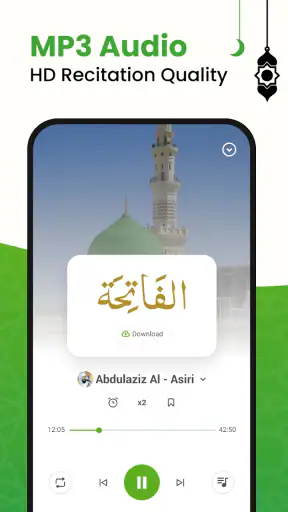
The combination of written Quran content and MP3 listening gives the app two different entry points. I may want to read silently when I am in a quiet room, but listening is more suitable when my eyes are occupied or tired. That flexibility is important for people whose preferred way of engaging with scripture changes throughout the day.
Audio also supports learners who are working on pronunciation or trying to follow along with recitation. I would use the listening mode during a walk, while doing simple household tasks, or during a quiet drive when handling a phone would be inappropriate. In those situations, the app’s usefulness comes less from its visual presentation and more from allowing the Quran to remain part of the routine without requiring constant screen attention.
For users with reduced vision, the audio option may be the most comfortable part of the experience, although comfort will still depend on the device, headphones, and the person’s preferred listening volume. For users with hearing loss, the reading mode is the more dependable route. People who process information better visually can stay with the text, while those who find sustained reading difficult can shift toward audio. That does not make the app universally accessible, but it does give it more than one practical mode.
I also see a benefit for users who are sensitive to busy visual environments. A Quran-only purpose can feel less distracting than a screen filled with animated recommendations or rapidly changing content. Still, the phone itself remains part of the experience, so notifications, glare, small controls, and screen brightness can interfere. I recommend adjusting the device’s display settings before blaming the app for reading fatigue. A larger screen, comfortable brightness, and a stable stand can make a bigger difference than repeatedly changing apps.
A realistic example is an older family member who wants to listen in the afternoon but reads from the screen only for short periods. I would set up the desired Surah while helping them, confirm that the audio is available offline, and leave the phone in an easy-to-reach position. That workflow avoids unnecessary searching and reduces the need for precise tapping. It is a simple adjustment, but it can determine whether the app feels empowering or frustrating.
Motor and sensory considerations in everyday use
Touchscreen Quran apps always ask the user to perform some precise actions: opening a passage, selecting audio, scrolling, and returning to a previous screen. That can be a challenge for anyone with tremors, limited dexterity, joint pain, or difficulty maintaining a steady grip. I would not describe this app as a specialized assistive product. Instead, I see it as a conventional mobile interface whose usefulness can be improved by changing the surrounding setup.
For someone with motor limitations, a phone stand can remove the need to hold the device continuously. Using a tablet may provide a larger target area than a small phone, while landscape or portrait orientation can be chosen according to what feels easier to control. If repeated scrolling is tiring, listening may be a better option for longer sessions, with reading reserved for shorter passages or moments when the device is already positioned comfortably.
Users who rely on Android’s built-in accessibility tools should test the app with their preferred settings rather than assuming every control will behave exactly as expected. Larger system text, magnification, screen readers, switch access, or voice control may change how much of the interface is comfortable to operate. I cannot treat those tools as a guarantee of perfect compatibility, but they are sensible options to try before deciding whether the app works for a particular person.
There is also a sensory trade-off between audio and visual use. Listening can reduce eye strain, but it may be unsuitable in a noisy environment or for someone who needs visible text to maintain concentration. Reading can be more private in a shared space, while audio may be more natural when the user is away from the screen. The app’s two main modes therefore solve different problems rather than offering one universally superior method.
One practical tip is to create a predictable physical setup: place the device at a comfortable height, connect headphones only when needed, and open the app before beginning the session. This is particularly useful for users who find repeated setup steps exhausting. The fewer movements required after the reading or listening begins, the more attention can remain on the Quran instead of on the phone.
Situational access beyond the home
Offline availability is the feature I would value most when planning for changing conditions. Travel, weak mobile coverage, limited data, and crowded public spaces can all make online reading unreliable. With the relevant material prepared, the app can remain useful in places where I would not want to depend on a live connection. That makes it suitable for a quiet waiting period, a hotel room, or a journey where connectivity is uncertain.
Offline use also supports privacy. Some people prefer not to stream audio or browse religious content over a public network, and others simply want a dependable resource without thinking about data consumption. I appreciate that the app’s core purpose can fit into a personal routine without requiring a constant connection. The trade-off is that preparation matters; I would not wait until the moment of travel to discover that the material I want is not ready for offline use.
In a shared environment, audio requires extra consideration. Headphones can make listening more private, but they may be uncomfortable or unsuitable for some users. Without headphones, volume and surroundings become important, particularly in workplaces, waiting rooms, or homes where other people are resting. Reading is often the better choice in those settings. The app supports a change in mode, but the user still has to choose the mode that fits the situation respectfully.
The app can also help people whose schedules are irregular. A student between classes, a shift worker on a break, or a parent with a short quiet window may not have a long uninterrupted session. I would use it in small portions rather than waiting for a perfect hour. The ability to read or listen when a suitable moment appears is more realistic than building a routine that depends on ideal conditions.
For families, the Everyone content rating makes the app approachable across age groups. That does not remove the need for adult guidance when a child is learning how to navigate a phone, but it does make the app easier to consider as a shared household resource. An adult could prepare a passage for a younger reader, while another family member uses the audio mode. This kind of shared use is more natural than assigning the app to only one type of user.
Remaining barriers and where another app may be better
The largest limitation is that convenience should not be confused with completeness. If I wanted a deep study platform, I would look for an alternative with the exact scholarly tools, translations, commentary, or annotation workflow I needed. This app is well suited to reading and listening, but a person comparing interpretations or building detailed research notes may outgrow its focused design.
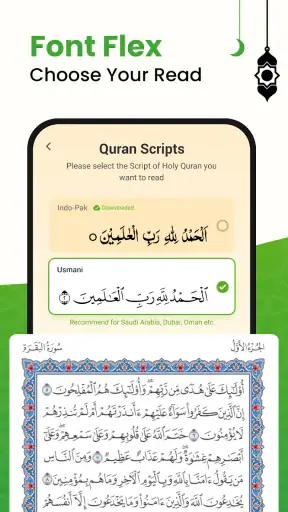
Another possible barrier is the difference between a simple interface and a fully personalized one. Some readers want extensive control over typography, layout, navigation behavior, or study markers. If those adjustments are central to your use, test the current experience carefully before moving your entire routine into it. A reader who is comfortable with a standard mobile presentation may find the app pleasantly uncomplicated, while someone with very specific visual or motor requirements may need a more configurable alternative.
The audio mode is valuable, but it does not replace every form of support. A learner who needs detailed pronunciation feedback, structured memorization tracking, or teacher-led correction may need a dedicated learning app or a human instructor as well. I would use this app for repeated listening and following along, then add another resource when the goal becomes formal instruction.
There are also financial details to keep in mind. The app is free, while optional in-app purchases range from $0.99 to $24.99 per item. I would install it first and decide whether the free experience fits my routine before paying for anything. That approach is especially sensible for families or users who want a straightforward reading tool and do not need additional options. The presence of purchases does not undermine the core appeal, but it means the app is not identical to a completely purchase-free experience.
Compatibility is another practical checkpoint. The minimum requirement is Android 7.0, so users with older devices should check their operating system before planning around it. For supported devices, the current version is 4.4.39. I would also leave enough storage for the offline material I intend to use, because offline listening is only helpful when the needed content has actually been prepared on the device.
My inclusive verdict
I recommend Al QURAN - القرآن الكريم to readers who want a direct Quran app with both text and MP3 listening, especially when offline access and a low-distraction purpose matter. In my experience, its strongest inclusive quality is choice: visual reading for people who prefer text, audio for people who need a break from the screen, and a focused design for users who do not want to navigate a large collection of unrelated tools.
I would be more cautious about recommending it as the only app for users who need advanced study features, highly specific interface customization, or structured pronunciation instruction. Those needs call for a companion resource or a different specialist product. Likewise, people with motor or sensory requirements should try the app with their device’s accessibility settings, a larger screen, or a stand before deciding. The surrounding setup can make a meaningful difference, but it should not be mistaken for dedicated accessibility design.
For an everyday scenario, I can imagine preparing a Surah at home, reading a few verses during a quiet break, and switching to audio later when my eyes are tired. That continuity is where the app earns its place. It does not need to be the most elaborate Quran platform to be useful; it needs to make a sincere daily practice easier to maintain.
Overall, I see it as a dependable, approachable choice for Quran reading and listening on compatible Android devices. The free starting point, Everyone rating, large user base, and focused purpose make it easy to try, while the offline workflow gives it value beyond a basic online reader. If your priority is accessible day-to-day engagement rather than an exhaustive study suite, this is a sensible app to keep on hand.


